

3M VHB · TEMPERATURE PROFILE
Heat-resistant 3M VHB tape for thermally stressed bonds
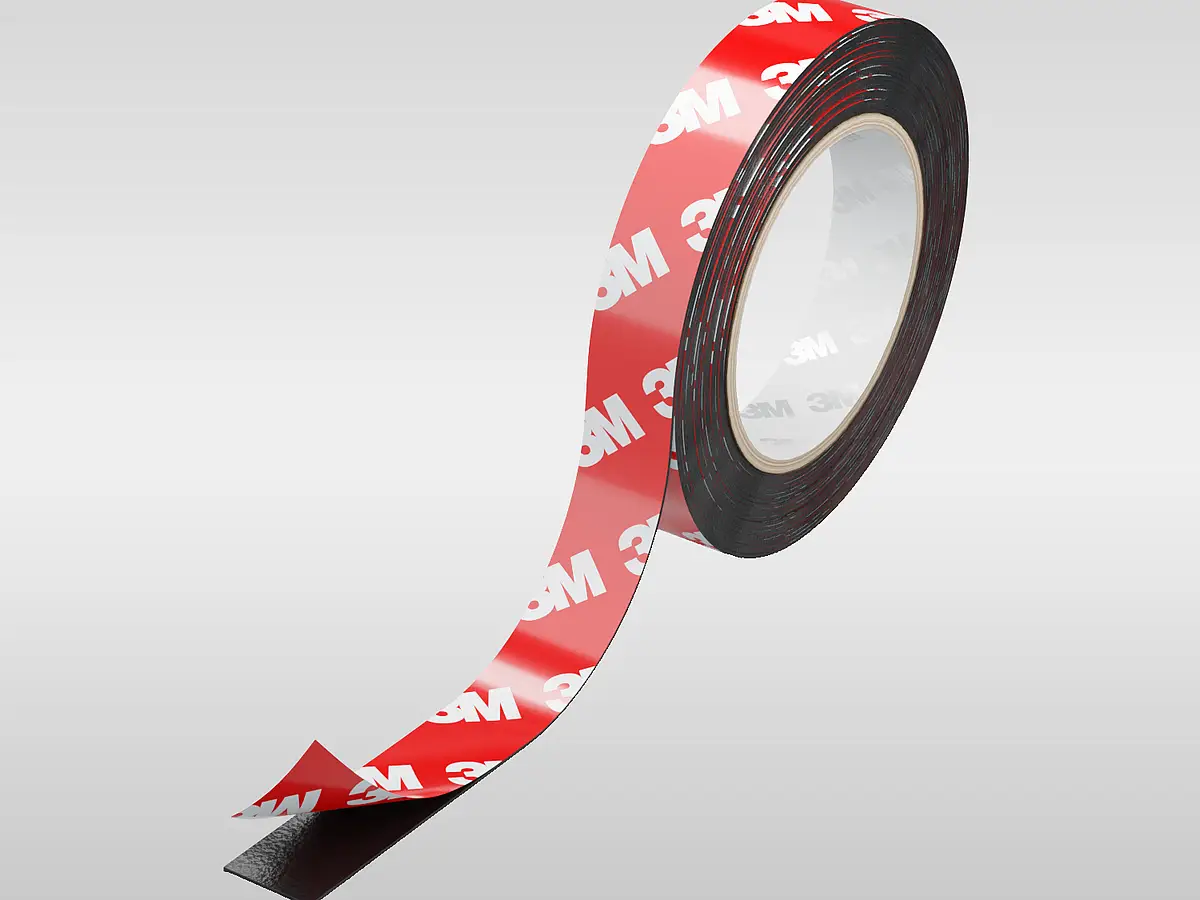
When a bond is exposed to heat, the temperature profile determines which 3M VHB tape to consider: how hot does it get, and for how long? Compare continuous exposure and short peaks alongside the surfaces, joined parts and load. We can assess a suitable version for your process.
01
Selection criteria
Assess continuous heat and temperature peaks separately
Record the temperature during processing separately from the temperature in later use. In each case, the exposure time also matters. For the 3M VHB GPH series, 3M specifies +150 °C for continuous exposure and +230 °C for short-term exposure; these figures apply to that series. Also consider the surface energy of both parts, the bonding area, the direction of force and the required tape thickness. The conformable acrylic foam in the GPH series can accommodate slight surface roughness and relieve stress; the finished bond still needs application-specific assessment.
02
3M VHB UNDER HEAT EXPOSURE
Heat-resistant 3M VHB tapes in the range
The filterable product listing shows the 3M VHB versions assigned to this category. Compare each product’s technical data, especially exposure duration, tape thickness and suitable surfaces.
No products found
No products are currently listed in this category. Request a call back and we will help you find the right product.
Request a callback03
CHOOSING FOR HEAT EXPOSURE
What temperature profile must the bond withstand?
For bonding before powder coating, brief process heat must be assessed differently from a continuously warm operating environment. According to 3M, the VHB GPH series is intended for high temperatures and bonding before a powder coating process. Versions within the series differ in thickness; GPH-060GF, GPH-110GF and GPH-160GF do not provide blanket approval for every material combination. Suitability also depends on the surfaces, application pressure, geometry and the load on the finished bond.
Tell us the temperature profile, including duration and peaks, both joined parts, the intended bonding area and the subsequent load. Krückemeyer GmbH can review the product choice with you and assess application-specific converting into cut tape or die-cut parts. This can align tape shape and handling with your manufacturing process without implying that cutting changes the tape’s temperature rating.
04
QUESTIONS ABOUT VHB AND HEAT
What continuous temperature can 3M VHB GPH withstand?
For the 3M VHB GPH series, 3M specifies continuous temperature resistance of +150 °C. This figure applies to the documented series and does not replace an assessment of the finished bond. The surfaces, bonding area, direction of force and other influences may change the result in use. If your component stays hot during operation, tell us its operating temperature and the two joined parts so that the product choice can be assessed for your application.
What does short-term mean for the 3M VHB GPH temperature rating?
The manufacturer specifies short-term temperature resistance of +230 °C for the GPH series. This must be distinguished from the continuous rating; the stated figure alone does not establish a permissible peak duration for every process. Record how long the peak lasts and the complete heat profile. Where process heat is involved, the bond needs to be assessed with the actual components and loads.
Can 3M VHB GPH be bonded before powder coating?
Yes. 3M explicitly describes the GPH series for bonding before a powder coating process. For a particular component bond, the temperature profile, surfaces, bonding area and later load must all be suitable. The manufacturer’s statement is not a blanket approval for every coating line or joined part. Include the steps before and after bonding in your inquiry so that we can assess the version and cut format.
How do GPH-060GF, GPH-110GF and GPH-160GF differ?
The documented 3M VHB GPH versions differ in tape thickness: GPH-060GF is 0.6 mm, GPH-110GF is 1.1 mm and GPH-160GF is 1.6 mm. Thickness affects how a tape fits the geometry and surface roughness of the parts. A thicker tape does not automatically mean a higher permissible operating temperature or a better bond. Compare the product data with your gap, surfaces and load.
05
Request advice
Describe your continuous and peak temperatures, both surfaces and the load. We can assess which VHB version and converted format may suit the bond.
Discuss your heat-exposed bond
The heat profile, joined parts and load must be considered together. Talk to us about your application or add specific items to the inquiry list.

VHB BONDING ADVICE
Thomas Klein
Contact for products
Thomas Klein can discuss your temperature profile, joined parts and suitable VHB versions.